






Honey from around
the world
Pure honey, global flavours.
Our honey captures the unique characteristics of Scotland, Greece, Hungary, and New Zealand, bringing their finest natural flavours straight to your table. Smooth, rich, and full of character, it’s perfect for drizzling, stirring, or pairing with your favourite foods.
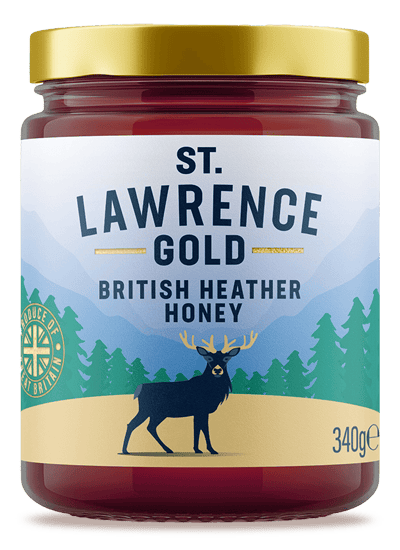
British Heather
Deep amber with a rich caramel warmth. Bold yet subtly sweet, perfect for pairing with cheese or drizzling over ice cream.
Hungarian Acacia
Light, delicate, and naturally sweet with a subtle floral note. A perfect match for hot drinks, yogurt, or fresh fruit.
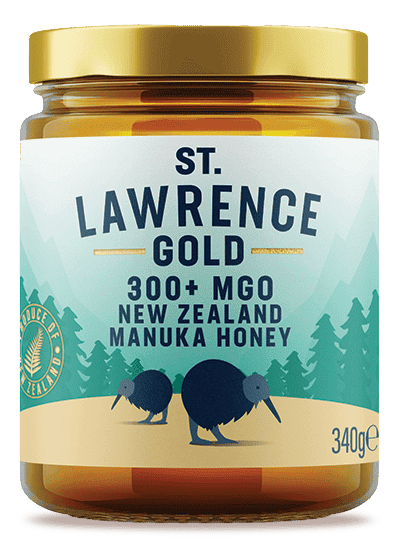
New Zealand Manuka
Creamy and mineral-rich with earthy sweetness. Great for smoothies, breakfast bowls, or adding a boost to wellness drinks.
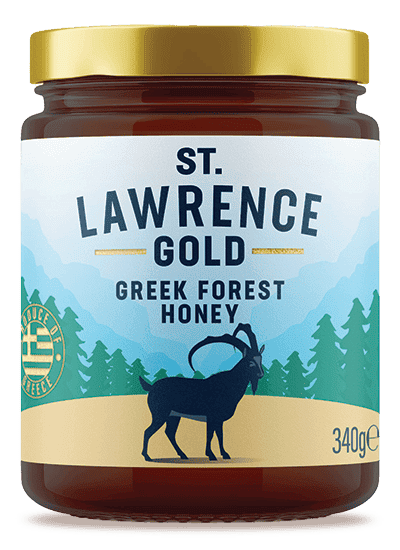
Greek Forest
Dark, rich, and full-bodied with a robust aroma. Ideal for meats, cheeses, or adding depth to Mediterranean-inspired dishes.
The Importance Of Bees
Bees are essential to our environment and play a crucial role in pollinating the crops that feed us.
Healthy bee populations are key to sustaining biodiversity and food security.
That’s why our beekeepers and honey producers are passionate about bee welfare.
They ensure that hives have access to abundant nectar sources, that honey is only harvested when there’s enough for both the bees and the beekeeper, and that careful disease prevention measures are in place to safeguard bee health.
A Planet
Friendly Food
Honey isn’t just good for you – it’s good for the planet too.
Bees are vital for pollinating a variety of crops, from fruit to vegetables and field crops like canola, lupins, and sunflowers.
Their hard work can increase fruit production by up to 8 times!
We care about sustainability, which is why all of our honey is sold in glass jars, and every aspect of our packaging, including the lids, is completely recyclable. A little sweetness with a lot of conscience.
How Our Honey Is Made
The journey from flower to jar is a delicate and natural process that takes time, care, and a bit of magic from nature. Here’s how we do it:
1. Searching
As the summer season begins, honey bees set off to visit a variety of flowers, collecting nectar – a sugary, nutrient-rich liquid.
2. Collecting
Using their long, tube-shaped tongues, bees extract nectar and store it in their crops, or special stomachs.
3. Storing
Once back at the hive, bees pass the nectar to others, who deposit it in honeycombs.
4. Transforming
The bees ‘fan’ the honeycomb with their wings, helping the nectar evaporate water, turning it into thick, sweet honey
5. Preserving
The honey, now protected in the comb, is stored for winter, offering bees a perfect food source during colder months.
6. Enjoying
When there’s a surplus, beekeepers carefully remove the honey and bring it to you, from hive to table.
Proof’s in the pudding
What our customers are saying about our products…